What to Do Before You Hire Your First Employee: An October 2026 Checklist

Understanding the Decision to Hire
Hiring your first employee is a milestone that transforms a solo operation into a growing team. It brings new capabilities, but also legal obligations, payroll complexities, and cultural considerations. Before you place that first job posting, take a moment to confirm that your business foundation can support an employee without exposing you to compliance risks.
1. Secure an Employer Identification Number (EIN)
The EIN is the tax‑identification number for your business and is required for every payroll‑related activity. Apply online through the IRS EIN application page. The process is free and typically provides the number instantly. Keep the EIN in a secure location; you’ll need it for tax filings, opening a payroll bank account, and completing employee tax forms.
2. Register for State and Local Tax Accounts
Beyond the federal EIN, most states require a separate employer account for unemployment insurance (UI) and withholding taxes. Visit your state’s department of revenue or labor website to set up these accounts. Failure to register can result in penalties and delayed tax credits.
3. Choose a Payroll System
Even a single employee needs accurate payroll processing. Evaluate cloud‑based payroll services that handle tax calculations, direct deposit, and year‑end reporting. Look for features such as automatic filing of Form 941 and generation of employee W‑2s. Many providers offer free trials for businesses with fewer than five employees.
4. Prepare Required Employment Forms
a. Federal Forms
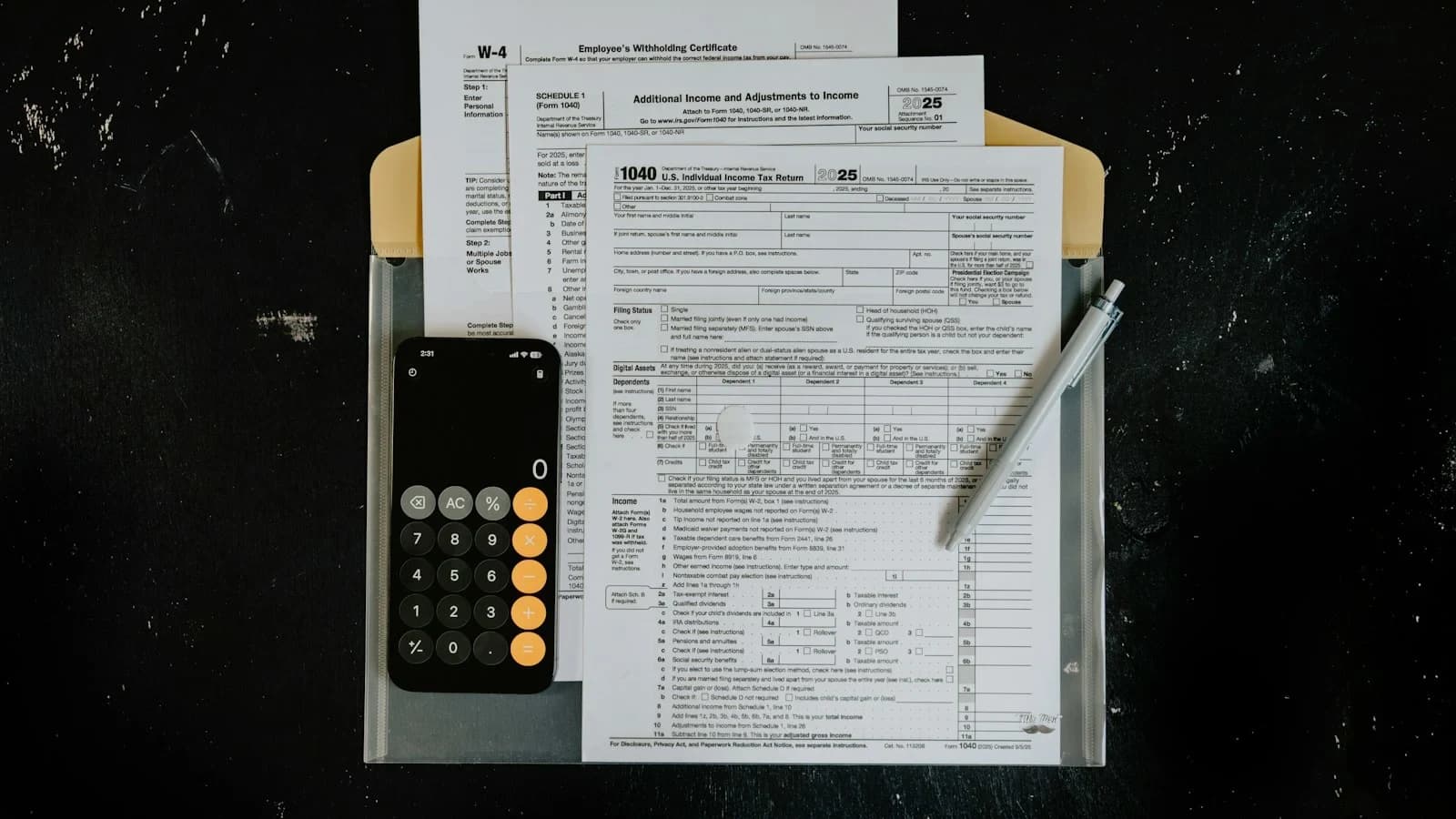
- Form W‑4 – Employee’s Withholding Certificate. Collect this before the first paycheck.
- Form I‑9 – Employment Eligibility Verification. Must be completed within three days of hire and retained for three years.
b. State Forms
Depending on your location, you may need state‑specific withholding forms. Check your state labor department for the exact requirements.
5. Post Mandatory Workplace Posters
Federal law requires employers to display several informational posters in a conspicuous area. The U.S. Department of Labor’s workplace posters page provides downloadable PDFs for the Fair Labor Standards Act (FLSA), Equal Employment Opportunity (EEO), and others. Keep the posters up‑to‑date; some states have additional posting requirements.
6. Obtain Workers’ Compensation Coverage
Most states mandate workers’ compensation insurance as soon as you have an employee. Contact your state’s workers’ comp agency or a private insurer to secure coverage. This protects both you and your employee in case of a workplace injury.
7. Set Up Employee Records
Create a secure, organized filing system—digital or paper—for each employee. Records should include the signed I‑9, W‑4, job application, offer letter, and any performance documentation. Retain these records for at least three years after employment ends, as required by the Department of Labor.
8. Develop an Offer Letter and Employment Agreement
A clear offer letter outlines salary, benefits, start date, and at‑will status. While not always legally required, an employment agreement can clarify expectations around confidentiality, non‑competition, and intellectual property.
9. Establish Benefits (If Applicable)
If you plan to offer health insurance, retirement plans, or paid time off, research eligibility thresholds. The U.S. Small Business Administration’s hiring guide explains options for small businesses, including the Small Business Health Options Program (SHOP) and SIMPLE IRA plans.
10. Create an Onboarding Plan
First‑day success sets the tone for retention. Prepare a schedule that includes:
- Workplace tour and introductions
- Review of company policies and employee handbook
- Training on job‑specific tools and software
- Explanation of payroll schedule and benefits enrollment Document the onboarding steps in a checklist so nothing is missed.
11. Implement a Payroll Tax Calendar
Mark key filing dates on a calendar: quarterly Form 941, annual Form 940 (UI tax), and year‑end W‑2 distribution. Automated reminders from your payroll provider can reduce the risk of missed deadlines.
12. Review Compliance with an Expert (Optional but Recommended)
Even a well‑researched checklist can miss nuances specific to your industry or locale. A brief consultation with an employment attorney or a small‑business development center (SBDC) can validate your processes. The AKSBDC Hiring Your First Employee Checklist (PDF) offers a concise, SBA‑approved reference you can cross‑check.
13. Communicate the Hiring Timeline Internally
If you have contractors or part‑time help, inform them of the upcoming change. Clear communication helps maintain morale and ensures a smooth transition of responsibilities.
14. Launch the Recruitment Process
Post the job description on relevant platforms, emphasizing your company culture and growth opportunities. Use structured interview questions to assess both skills and cultural fit. Remember to document interview notes for compliance purposes.
15. Conduct the New‑Hire Orientation
On the employee’s first day, walk through the completed paperwork, demonstrate payroll portal access, and introduce them to the team. Provide a copy of the employee handbook and explain the performance review cycle.
Checklist Summary (Quick Reference)
| Step | Action |
|---|---|
| 1 | Apply for EIN (IRS) |
| 2 | Register state UI & withholding |
| 3 | Choose payroll software |
| 4 | Collect W‑4 & I‑9 |
| 5 | Post federal & state posters |
| 6 | Secure workers’ comp insurance |
| 7 | Set up employee record folder |
| 8 | Draft offer letter & agreement |
| 9 | Evaluate benefits options |
| 10 | Build onboarding schedule |
| 11 | Mark payroll tax deadlines |
| 12 | Optional legal/SBDC review |
| 13 | Communicate internally |
| 14 | Post job & interview |
| 15 | Conduct orientation |
Following this checklist will help you meet legal requirements, avoid costly penalties, and create a positive first‑day experience for your new hire. As you grow beyond the first employee, many of these processes will scale, laying a solid foundation for future team expansion.
For deeper guidance, see the U.S. Small Business Administration’s hiring guide and the IRS EIN application page linked throughout this article.
Sources and further reading
Use these primary references when checking the guidance above:
Sources
- U.S. Small Business Administration — SBA
- Internal Revenue Service — IRS
- How to Hire Your First Employee (2026): 10-Step Checklist | MSMETOOLS — msmetools.com
- Payroll Setup Guide for Your First Employee - Justworks — justworks.com
- Hiring Your First Employee Checklist (2026) — businessinspire.us
- First Hire Checklist for Startup Hiring Success — hyring.com
- New Employee Onboarding Checklist and Paperwork — mambahr.com
- Hiring your first employee — go.gusto.com
This article was generated through WorkSteady's editorial workflow. Review the cited sources before acting on legal, tax, or financial topics.
Get a direct answer for your business.
Tell WorkSteady what is happening and get one practical action you can take today.