What Busy Owners Must Do Before Hiring Their First Employee

Why the First Hire Matters for a Busy Owner
Running a growing business often means you’re juggling sales, service delivery, and admin tasks. Missed deadlines, frequent overtime, and personal burnout are clear signals that you need help. The first employee can unlock capacity, improve customer experience, and protect your own health, but hiring without a plan can create costly compliance headaches and payroll errors. This guide gives you a concise roadmap that fits into a packed schedule.
1. Confirm the Business Need
Before you post a job, run a quick cost‑benefit check:
- Revenue impact – Identify the tasks you’re losing or delaying. Estimate the incremental revenue a dedicated hire could generate.
- Time value – Calculate how many hours per week you spend on those tasks and what your hourly rate would be if you could bill that time.
- Financial cushion – Ensure you have at least three months of cash flow after adding the employee’s salary, taxes, and benefits. If the numbers line up, you’re ready for the next step.
2. Legal Foundations – Get Your Paperwork in Order
a. Federal Employer Identification Number (EIN)
Even if you already have an EIN for tax filing, you’ll need it to run payroll. Apply for free at the IRS website.
b. Workers’ Compensation and Unemployment Insurance
Check your state’s requirements; most states mandate workers’ comp as soon as you have a payroll. The SBA provides a quick state‑by‑state guide (SBA).
c. Required Posters and Forms
Display the federal labor law posters and have the following forms ready for each new hire:
- Form I‑9 (employment eligibility)
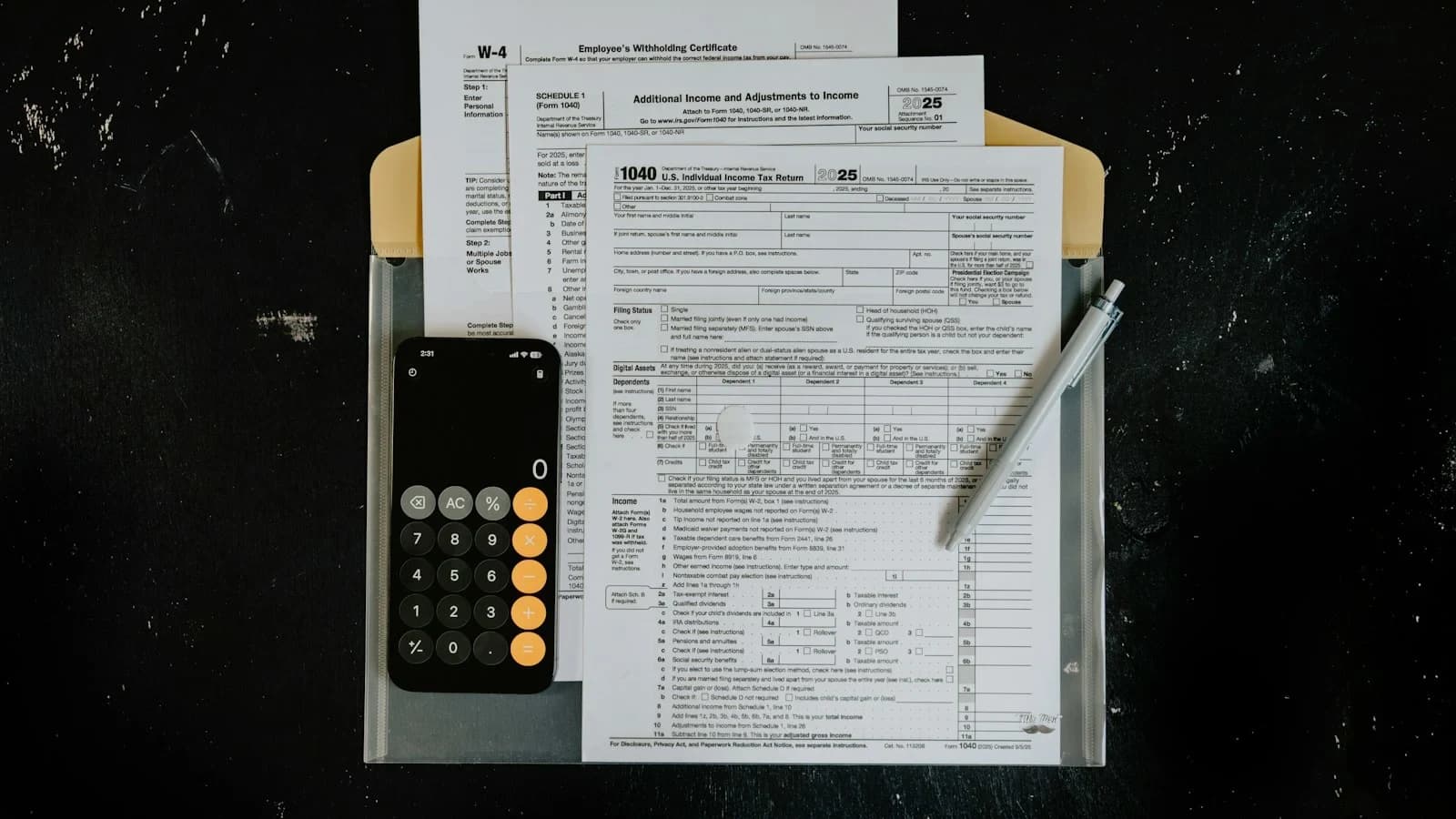
- Form W‑4 (federal tax withholding)
- State tax withholding form (if applicable)
- Direct‑deposit authorization (optional but speeds up payroll).
d. Register with State Tax Agencies
You’ll need to report and remit state income tax and unemployment tax. The IRS and SBA sites walk you through the registration steps.
3. Choose a Payroll Solution Early
Manual payroll quickly becomes a nightmare. Small‑business owners benefit from cloud‑based payroll that handles tax calculations, filings, and year‑end forms. Both QuickBooks Payroll and Gusto integrate with popular accounting software and automate employee tax deposits. The ADP guide recommends setting up payroll before the first paycheck to avoid late‑payment penalties【https://www.adp.com/resources/articles-and-insights/articles/s/small-business-hiring-employees.aspx】.
4. Write a Clear, Targeted Job Description
A concise description saves time for you and candidates. Include:
- Job title and primary responsibilities (use action verbs).
- Key qualifications – required experience, certifications, and soft skills.
- Work schedule – full‑time, part‑time, or flexible.
- Compensation range – research local market rates via the SBA wage data.
- Growth potential – busy owners should highlight opportunities for the hire to take on more responsibility as the business scales. Post on industry‑specific boards and consider a brief video intro to attract candidates quickly.
5. Streamlined Recruiting Process
a. Screening
Use a short questionnaire to filter out unqualified applicants. Ask about availability, relevant experience, and willingness to learn on the job.
b. Interviews
Schedule a 30‑minute video call followed by a 45‑minute in‑person (or deeper virtual) interview. Busy owners can use a structured interview guide to stay on track and evaluate cultural fit.
c. Background Checks
For roles handling money or sensitive data, run a criminal background and employment verification. Services like Checkr integrate with most payroll platforms.
d. Offer Letter
Send a simple, written offer that outlines salary, start date, at‑will status, and any probationary period. Include a copy of the employee handbook (see internal link below).
6. Onboarding – Set Them Up for Success from Day One
A solid onboarding plan reduces early turnover and accelerates productivity.
- Day 1 checklist – workstation, login credentials, email, and payroll enrollment.
- Compliance briefing – review safety policies, harassment policies, and the employee handbook.
- Mentorship – assign a point‑person (often the owner) for the first two weeks.
- Performance goals – set clear, measurable objectives for the first 30, 60, and 90 days. The Forbes checklist emphasizes documenting every step to stay compliant and to have a record for future audits【https://www.forbes.com/sites/allbusiness/2024/09/26/hiring-your-first-employee-a-guide-for-small-businesses/】.
7. Ongoing Payroll and Tax Compliance
- Run payroll on a consistent schedule (weekly, bi‑weekly, or monthly). Payroll software will automatically calculate federal and state withholdings.
- Deposit taxes according to the IRS deposit schedule (usually semi‑weekly for new employers). Missing a deadline can trigger penalties, so set up automatic transfers.
- File quarterly Form 941 and annual Form W‑2 for each employee. Most payroll services file these electronically on your behalf.
- Maintain records – keep I‑9 forms for three years after hire or one year after termination, whichever is later.
8. Benefits and Incentives (Optional but Powerful)
Even a modest benefits package can attract higher‑quality candidates:
- Health reimbursement arrangement (HRA) – tax‑advantaged way to contribute toward health insurance.
- Retirement plan – a SIMPLE IRA is easy to set up for businesses with ≤100 employees.
- Paid time off – a clear PTO policy reduces confusion and improves morale. Reference the Employee Handbook internal guide for templates you can adapt.
9. Create a Culture of Accountability
Busy owners often wear many hats, which can blur expectations. Use these quick habits:
- Weekly 15‑minute check‑ins – review progress against goals and address roadblocks.
- Shared task board – tools like Trello or Asana keep both owner and employee visible on priorities.
- Documented processes – write SOPs for recurring tasks; this reduces reliance on the owner’s memory and speeds up training.
10. Review and Iterate
After the first 90 days, evaluate:
- Performance against goals – adjust responsibilities if needed.
- Payroll accuracy – confirm tax deposits and filings are on time.
- Compliance gaps – run a quick audit using the Ultimate Compliance Checklist internal resource. Use the findings to refine your hiring playbook for the next employee.
Key Takeaways
- Confirm the need with a simple cost‑benefit test.
- Get federal and state employer IDs, workers’ comp, and required posters before the first interview.
- Set up payroll early – ADP recommends having it ready before the first paycheck.
- Write a focused job description and use a structured interview process.
- Follow a documented onboarding checklist to accelerate productivity.
- Stay on top of payroll tax deposits and record‑keeping to avoid IRS penalties.
- Iterate after 90 days and keep improving your hiring system.
For more detailed compliance steps, see our Ultimate Compliance Checklist for Small Business Owners and the What to Do Before You Hire Your First Employee guides.
Sources and further reading
Use these primary references when checking the guidance above:
Sources
- U.S. Small Business Administration — SBA
- Internal Revenue Service — IRS
- How to hire your first employee | QuickBooks Blog — quickbooks.intuit.com
- Hiring Your First Employee: A Guide For Small Businesses — forbes.com
- How To Hire Your First Employee: A Practical First Hire Checklist — StartCap — startcap.org
- Hiring Your First Employee | Guide for Small Businesses - ADP — adp.com
- A Small Business Owner's Guide To Hiring Your First Employee ... — snagajob.com
- Hiring Your First Employee: Complete SMB Guide | FirstHR | FirstHR
This article was generated through WorkSteady's editorial workflow. Review the cited sources before acting on legal, tax, or financial topics.
Get a direct answer for your business.
Tell WorkSteady what is happening and get one practical action you can take today.