What to Do If Payroll Tax Deposits Are Running Late in 2026
Understanding the 2026 Payroll‑Tax Deposit Schedule
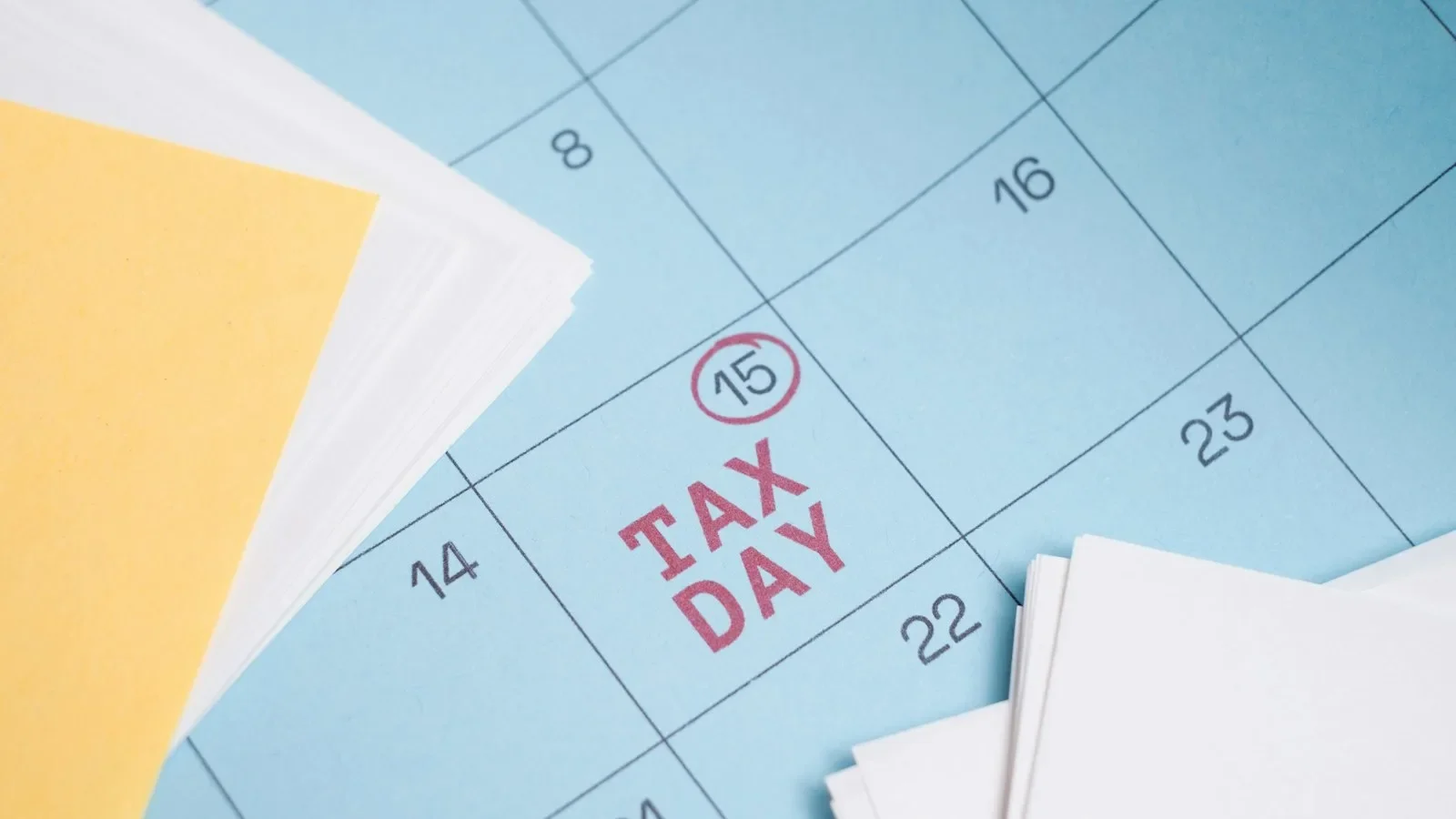
The IRS publishes a detailed calendar for each tax year. In 2026, employers must follow the semi‑weekly or monthly deposit rules outlined in Publication 509 and the Employer’s Tax Calendar. Missing a deadline triggers the failure‑to‑deposit penalty, which escalates the longer the deposit remains unpaid.
- Semi‑weekly deposits are required when your accumulated payroll tax liability exceeds $50,000 during a look‑back period. Deposits are due the next business day after the 5th and 20th of each month.
- Monthly deposits apply when liability is $50,000 or less. The due date is the 15th of the following month.
- Quarterly filing (Form 941) is still required even if you deposit monthly; the filing deadline is the last day of the month following the quarter.
For the exact dates, see the IRS Employment Tax Due Dates page for 2026.
The Penalty Schedule You Need to Know
The IRS Failure‑to‑Deposit Penalty schedule is straightforward but unforgiving:
- 2 % of the unpaid tax if the deposit is 1–5 days late.
- 5 % if 6–15 days late.
- 10 % if 16–30 days late.
- 15 % if more than 30 days late, plus interest.
These percentages apply to the amount you should have deposited, not the amount you actually paid. The penalty is assessed on each missed deposit, so multiple late deposits can quickly add up.
Immediate Actions When a Deposit Is Late
1. Verify the Missed Deposit
- Pull your payroll register and compare the tax amounts owed to the amounts you actually transferred to the IRS Treasury.
- Use the IRS Electronic Federal Tax Payment System (EFTPS) to view transaction history.
2. Make the Payment ASAP
The penalty is calculated based on the number of days late, so the sooner you pay, the lower the penalty. Use EFTPS or the IRS Direct Pay portal for an immediate, auditable payment.
3. File Form 941‑X if Needed
If the late deposit also means you under‑reported on your quarterly Form 941, file an amended return (Form 941‑X) within 3 years of the original filing date. This can help demonstrate good‑faith effort and may reduce penalty severity.
4. Document the Reason
The IRS may waive penalties if you can show reasonable cause (e.g., natural disaster, banking error). Gather supporting documents such as bank statements, outage notices, or correspondence with your payroll provider.
Preventing Future Late Deposits
Automate Payments with EFTPS
Enroll every employee in EFTPS and schedule recurring payments that align with your deposit schedule. Set the payment date a day earlier than the deadline to build a safety buffer.
Implement a Payroll Calendar Checklist
Create a monthly checklist that includes:
- Payroll processing date
- Tax calculation verification
- Deposit due date (semi‑weekly or monthly)
- Confirmation of EFTPS submission
Post this checklist in a shared drive and assign a single point of contact for verification.
Use Payroll Software with IRS Integration
Modern payroll platforms (e.g., Gusto, Paychex) automatically calculate tax liabilities and can push deposits directly to the IRS. Verify that the software is set to the correct 2026 deposit schedule.
Conduct Quarterly Reviews
At the end of each quarter, reconcile your payroll tax liability with the amounts deposited. If you notice a pattern of missed deposits, adjust your cash‑flow forecast and consider increasing your reserve account.
Cash‑Flow Management Tips for Late Deposits
- Maintain a Tax Reserve Account – Set aside at least one month’s payroll tax liability in a separate bank account. This ensures funds are always available for deposits.
- Short‑Term Financing – If cash is tight, explore a short‑term line of credit specifically for tax obligations. The interest cost is often lower than the penalty for a 30‑day late deposit.
- Negotiate Payment Plans – If you cannot pay the full amount, contact the IRS to request a short‑term installment agreement. Be proactive; waiting can increase penalties and interest.
When to Seek Professional Help
- Repeated Late Deposits – If you miss deposits more than twice in a year, a CPA or tax attorney can help restructure your payroll process.
- Complex Payroll Situations – Multiple state filings, contractor payments, or varying employee classifications increase the risk of errors.
- IRS Notices – If you receive a notice (e.g., Notice 931), respond promptly using the guidance from LegalClarity.
Quick Reference Checklist
- Verify missed deposit amount using payroll register and EFTPS.
- Pay the full amount immediately via EFTPS or Direct Pay.
- File Form 941‑X if the quarterly filing is affected.
- Document the cause and gather supporting evidence.
- Update your payroll calendar and set automated reminders.
- Keep a tax reserve account with at least one month’s liability.
- Review cash‑flow forecast quarterly and adjust reserves.
- Consider professional assistance if issues persist.
Frequently Asked Questions
Q: Does the penalty apply if I deposit the correct amount but on the wrong day? A: Yes. The penalty is based on the date the deposit is received, not the amount.
Q: Can I combine multiple late deposits into one payment? A: You can, but each missed deadline will be penalized separately. Paying each missed deposit individually can sometimes reduce the overall penalty if you pay earlier for some of them.
Q: How does interest differ from the penalty? A: Interest accrues daily on the unpaid tax from the original due date until the date the IRS receives payment. It is separate from the fixed‑percentage penalty.
Q: What if my payroll provider made the error? A: Document the provider’s mistake and request a written acknowledgment. This can support a reasonable‑cause argument with the IRS.
Resources
- The IRS Failure‑to‑Deposit Penalty page explains the penalty schedule in detail.
- The IRS Employment Tax Due Dates page lists all 2026 filing and deposit deadlines.
For more on compliance, see our Ultimate Compliance Checklist and the Payroll Tax Action Plan.
This guide is based on official IRS publications and the Small Business Administration. It is intended for informational purposes and does not constitute legal or tax advice.
Sources and further reading
Use these primary references when checking the guidance above:
Sources
- U.S. Small Business Administration — SBA
- Internal Revenue Service — IRS
- Failure to Deposit Penalty | Internal Revenue Service — irs.gov
- Employment tax due dates | Internal Revenue Service — irs.gov
- Fourth quarter – Tax calendar | Internal Revenue Service — irs.gov
- 2026 Important Payroll Filing Dates and Information — info.payroll.org
- 2026 payroll taxes and forms due dates — paylocity.com
- What Is IRS Notice 931? Deposit Rules and Penalties - LegalClarity — legalclarity.org
This article was generated through WorkSteady's editorial workflow. Review the cited sources before acting on legal, tax, or financial topics.
Get a direct answer for your business.
Tell WorkSteady what is happening and get one practical action you can take today.